Trying to choose between Bethesda and Chevy Chase? You are not alone. Both areas offer strong transit access, established housing, and convenient connections across Montgomery County and into DC, but they live very differently day to day. If you are deciding where you will feel most at home, this guide will help you compare neighborhood character, housing options, walkability, commuting, and overall lifestyle so you can make a more confident move. Let’s dive in.
Start With Neighborhood Feel
The biggest difference between Bethesda and Chevy Chase is how each place feels when you live there.
Bethesda is anchored by a lively downtown core built around Bethesda Row, Wisconsin Avenue, Woodmont Triangle, and the Bethesda Metro station. According to Bethesda Urban Partnership’s living guide, downtown Bethesda offers nearly 200 restaurants, 75 home fashion retailers, three live theaters, and a wide mix of apartment and condo living. Montgomery Planning also frames downtown Bethesda as a mixed-use district focused on housing choice, public amenities, and transit access.
Chevy Chase has a more split personality. On one hand, Chevy Chase Village is known for its historic residential fabric, tree-lined streets, brick sidewalks, and walking-distance access to transit, shopping, restaurants, and theaters. On the other hand, the Friendship Heights corridor brings a busier mixed-use environment with retail, restaurants, offices, and high-rise residential buildings along Wisconsin Avenue.
If you want a more urban, amenity-rich environment, Bethesda usually feels like the stronger fit. If you want a more residential setting with a historic neighborhood character, Chevy Chase often stands out.
Compare Housing Options
Your housing goals may make this decision much easier.
Bethesda Homes and Condos
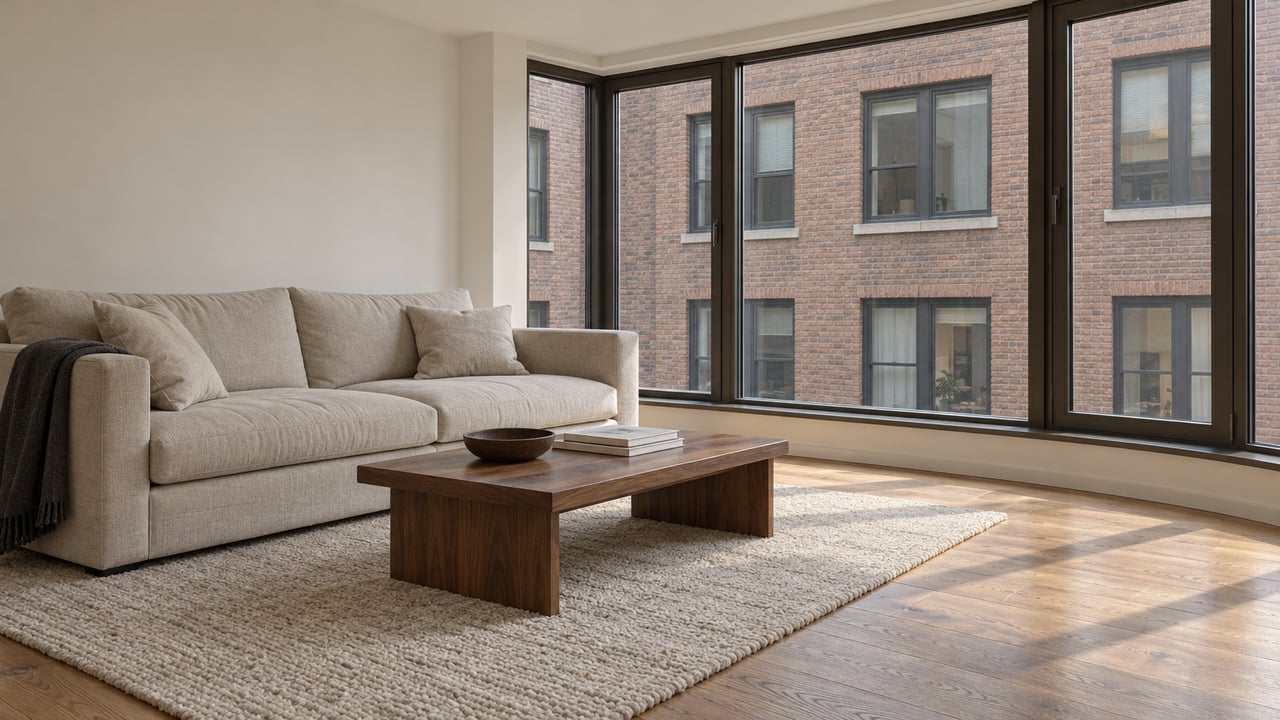
Downtown Bethesda has a strong concentration of apartments and condominiums. Bethesda Urban Partnership highlights numerous apartment and condo buildings downtown, and the area’s planning framework supports a mix of housing options near transit. For many buyers, that means more elevator buildings, smaller footprints, and a true mixed-use lifestyle close to shops, dining, and Metro.
That does not mean Bethesda is only condos. It does mean that if you want more choices in attached housing near a downtown setting, Bethesda gives you a broader menu.
Chevy Chase Detached Homes
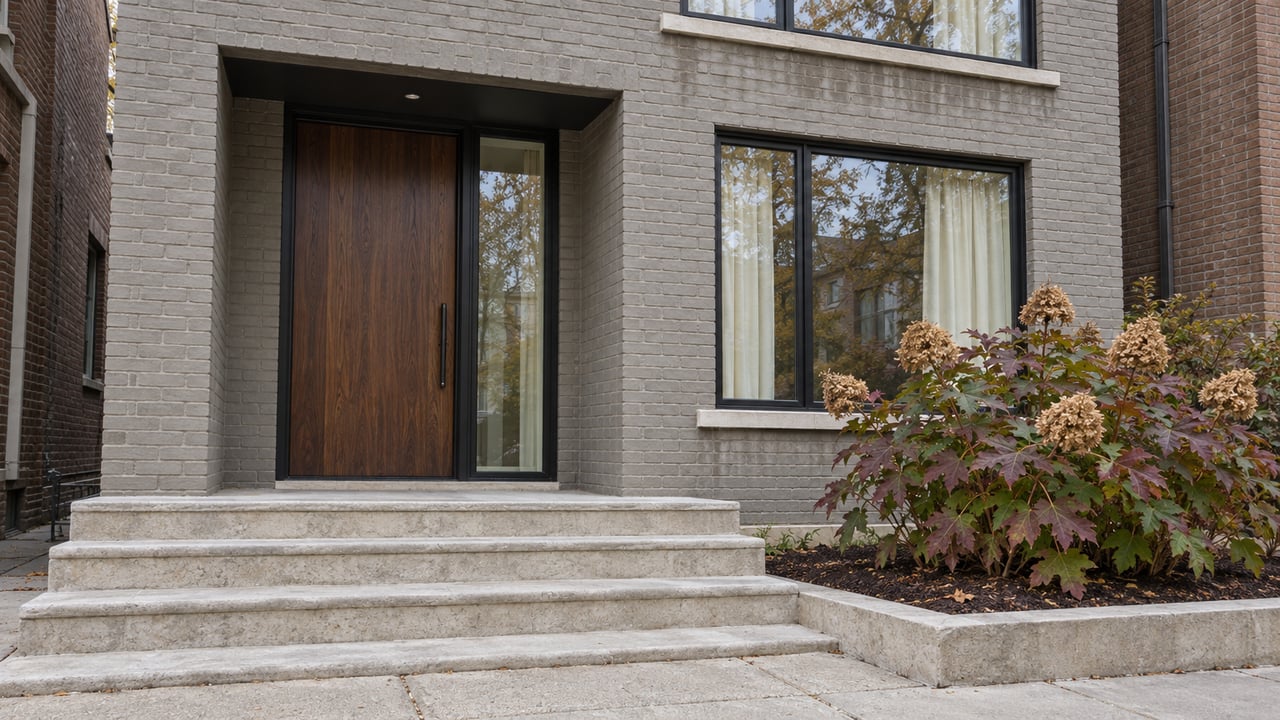
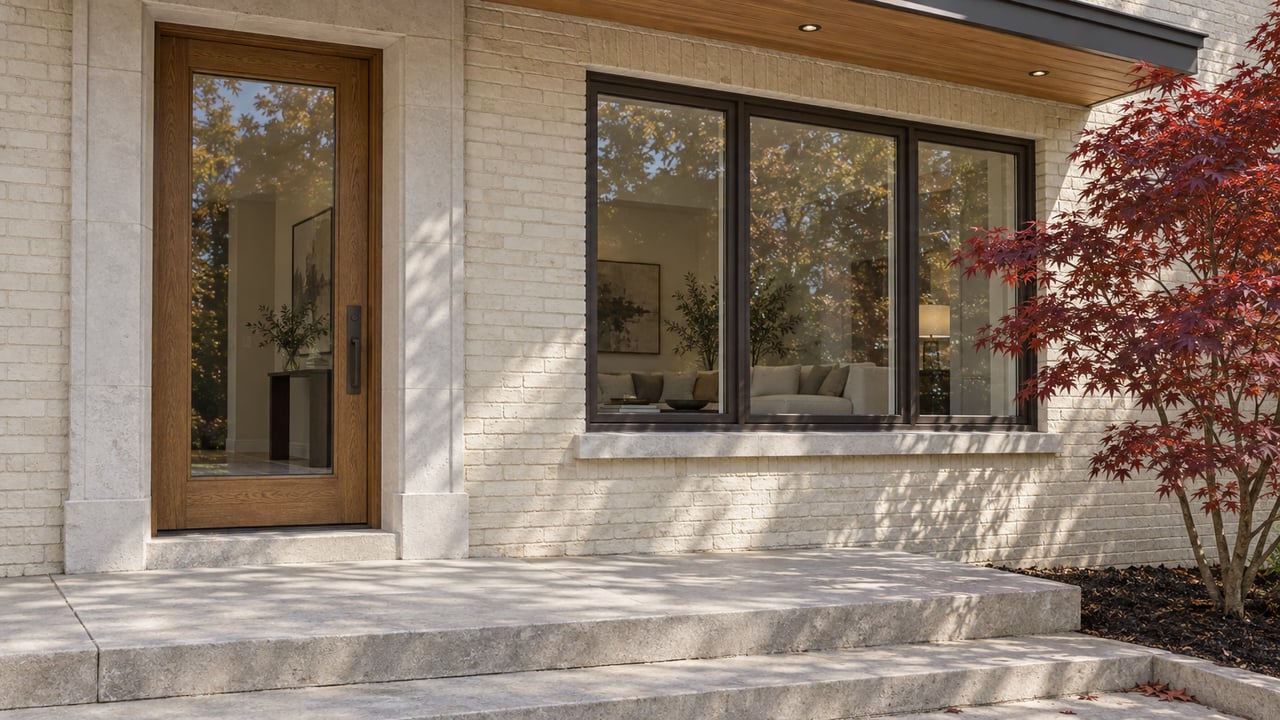
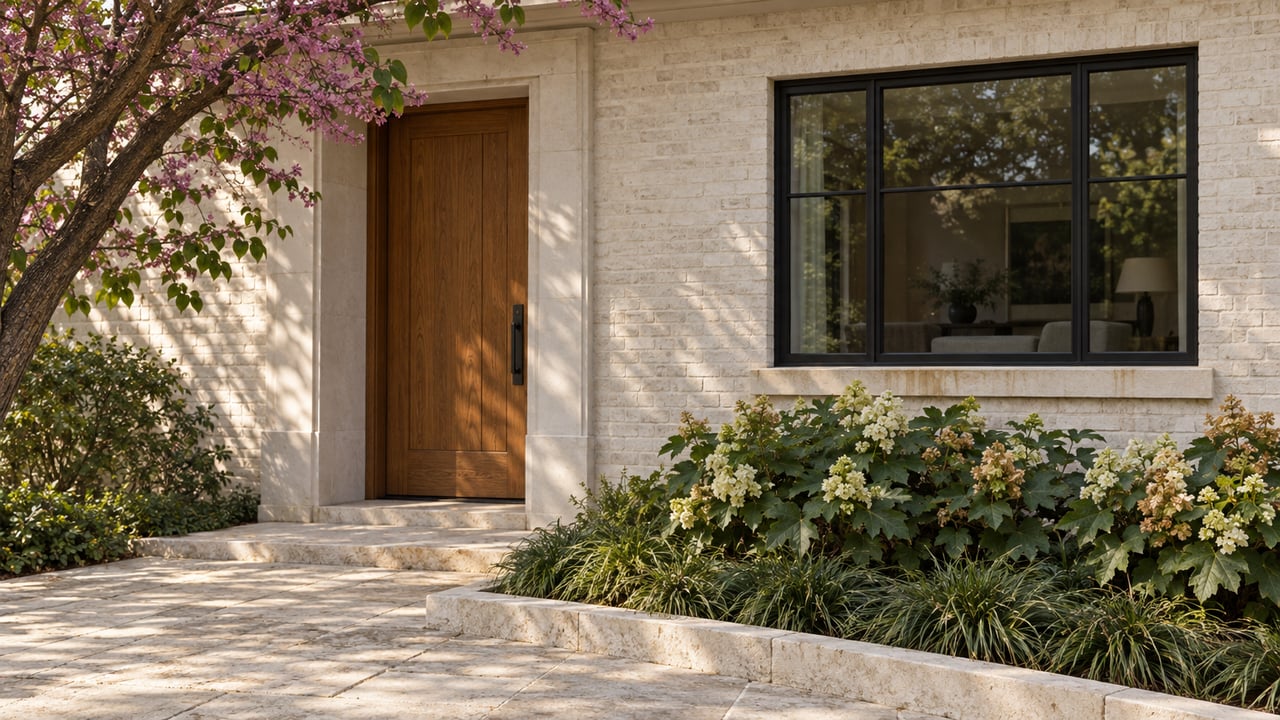
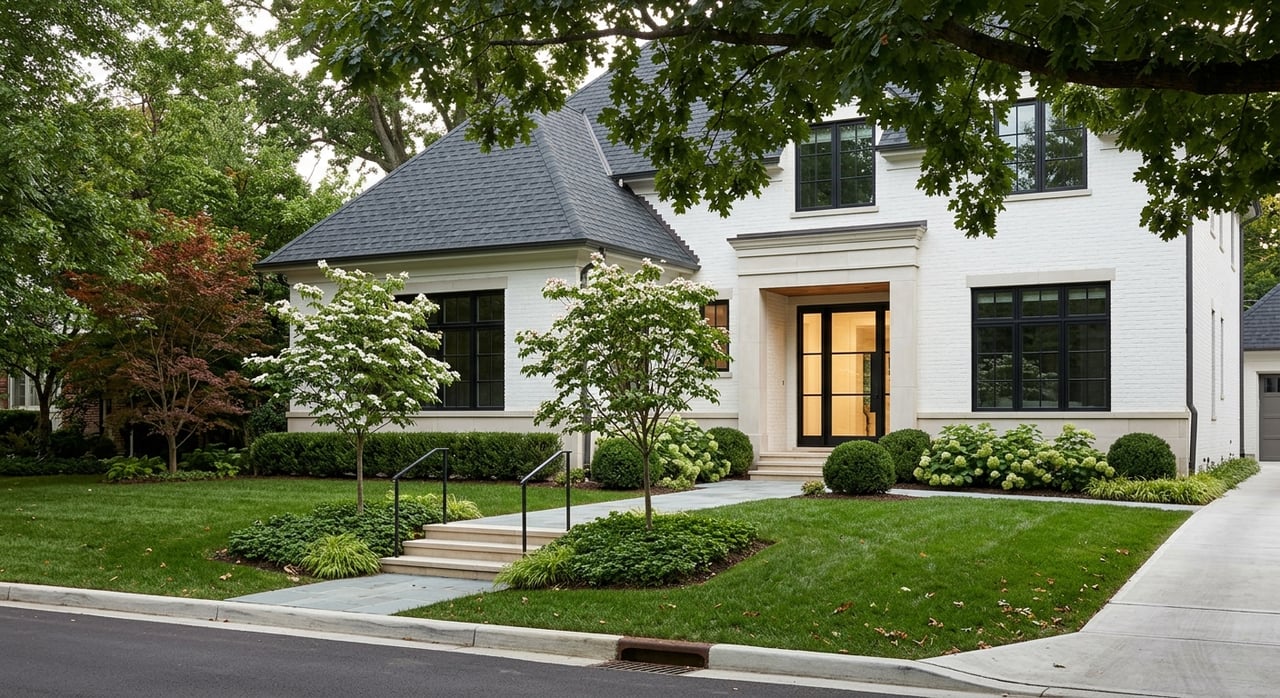
Chevy Chase Village is known for its established single-family housing pattern. Montgomery Planning describes a strong collection of pre-World-War-II homes, including Shingle, Colonial Revival, Tudor, and Craftsman styles, often on sizeable lots. The village also emphasizes its small-town residential character.
If you picture a classic detached home on a leafy residential street, Chevy Chase Village is the clearer match. If you want high-rise living closer to shops and transit within the Chevy Chase area, Friendship Heights adds condo and apartment options nearby.
Think About Walkability
Walkability matters, but it works differently in these two areas.
Bethesda Walkability
Bethesda’s walkability is strongest in its downtown core. The EPA’s Bethesda Row case study points to brick sidewalks, curbside dining, an uninterrupted pedestrian streetscape, and the convenience of parking once and walking between stores. The same case study also notes that the Capital Crescent Trail is right across the street from Bethesda Row.
Downtown mobility gets another boost from the Bethesda Circulator, which runs every 10 to 15 minutes, serves 20 stops, and connects parking garages with the Bethesda Metro Station and surrounding destinations. If you want the option to leave your car parked more often, Bethesda makes that especially practical.
Chevy Chase Walkability
Chevy Chase is walkable too, but in a different way. Chevy Chase Village notes walking-distance access to transportation, shopping, restaurants, and theaters, while Friendship Heights planning materials describe the area as having an urban-in-suburban feel with a convenient Metro-friendly location.
The difference is that Chevy Chase walkability tends to feel more neighborhood-scaled unless you are close to the Friendship Heights commercial corridor. Bethesda, by contrast, has a more established concentration of pedestrian activity and daily conveniences in one central downtown area.
Look Closely at Commute Options
If commuting or transit access is high on your list, both locations offer strong options.
Bethesda Transit Access
Bethesda is centered on the Red Line station in a major business district. WMATA’s Bethesda station page notes that the station is within walking distance of Bethesda Row and the Bethesda Trolley Trail, and that a new mezzanine is being built to connect Bethesda station to the future Purple Line Bethesda Station.
Bethesda also offers a broad transportation network. Bethesda Transportation Solutions and Montgomery County transportation sources cited in the research report note access to the free Circulator, Ride On, Metrobus, bikeshare, walking, biking, and carpool or vanpool options. This gives downtown Bethesda a very flexible commute texture.
Chevy Chase Transit Access
Chevy Chase’s transit story is more centered on Friendship Heights. WMATA’s Friendship Heights station page describes direct access to major shopping centers and a location right on the DC and Montgomery County border. The Village of Friendship Heights also provides a free shuttle that connects residential buildings, the community center, shopping destinations, the Metro stop, and select grocery stops on certain days.
Friendship Heights is also served by Ride On and Metrobus routes. So if you plan to rely on Metro and want high-rise living near shops, this part of Chevy Chase can be very convenient.
Consider Day-to-Day Lifestyle
Once you narrow the housing and commute basics, the final decision often comes down to how you want your routine to feel.
Bethesda tends to suit buyers who want a more active downtown rhythm. You may appreciate the concentration of restaurants, retail, theater venues, trails, and transit all within a relatively compact area. It can be a strong fit if you like convenience, mixed-use living, and the energy of a busy central district.
Chevy Chase tends to appeal to buyers who want a more residential atmosphere, especially in the village areas. You may prefer the historic architecture, larger lot patterns, and quieter street network, while still keeping access to shops and Metro nearby. If you are drawn to a classic neighborhood feel with urban access on the edges, Chevy Chase offers that balance.
Which Area May Fit You Best?
Here is a simple way to think about it.
Bethesda May Be a Better Fit If You Want:
- A more urban, amenity-rich setting
- More condo and apartment choices
- Strong downtown walkability
- Easy access to Bethesda Metro and the Circulator
- A lifestyle centered around shops, dining, and mixed-use living
Chevy Chase May Be a Better Fit If You Want:
- A more residential, historic neighborhood feel
- More detached-home character, especially in Chevy Chase Village
- Tree-lined streets and larger-lot housing patterns
- Access to Friendship Heights transit and shopping
- A quieter day-to-day setting with nearby urban conveniences
Price and Market Feel
Price is always part of the conversation, but it helps to think about it in terms of market feel rather than one headline number.
Based on the research report, Bethesda generally feels like the broader and more price-variable market. That is partly because downtown Bethesda includes a larger apartment and condo inventory, which can create more entry points for buyers. Chevy Chase, especially in the historic village setting, tends to feel more exclusive and lower-volume.
That does not mean one area is automatically better than the other. It means your budget may stretch differently depending on whether you are looking for a condo near downtown Bethesda, a high-rise option near Friendship Heights, or a detached home in Chevy Chase Village.
How to Make the Final Decision
If you are torn between Bethesda and Chevy Chase, try comparing them through your actual weekly routine.
Ask yourself:
- Do you want to walk to restaurants and errands often?
- Are you hoping for a condo, apartment, or detached home?
- How important is Metro access to your daily schedule?
- Do you prefer a lively downtown setting or a quieter residential one?
- Would you use neighborhood amenities more, or value home and lot size more?
The best answer is usually the one that fits your lifestyle, not just the map. When you tour both areas with a clear plan, the differences become much easier to see.
If you are weighing Bethesda against Chevy Chase and want thoughtful, local guidance, Mandana Tavakoli can help you compare homes, commute patterns, and neighborhood feel so you can move with clarity and confidence.
FAQs
Is Bethesda or Chevy Chase more urban?
- Bethesda downtown and the Friendship Heights corridor are the more urban, amenity-dense areas, while Chevy Chase Village is more residential in character.
Is Bethesda better for condo buyers than Chevy Chase?
- Downtown Bethesda offers the broadest mix of condos and apartments, while Friendship Heights also includes high-rise residential options.
Is Chevy Chase better for detached homes than Bethesda?
- Chevy Chase Village is the clearer fit if you want an established detached-home neighborhood with historic housing styles and larger lots.
Is Bethesda easier for a car-light lifestyle than Chevy Chase?
- Bethesda’s downtown core is especially well suited to a car-light lifestyle because of its walkable layout, Metro access, and free Circulator service.
Is Chevy Chase convenient for Metro commuters?
- Yes. Friendship Heights provides Red Line access along with shuttle, Ride On, and Metrobus connections, making it a convenient option for many commuters.
How should you choose between Bethesda and Chevy Chase in Montgomery County?
- The best choice depends on whether you prefer Bethesda’s downtown energy and housing mix or Chevy Chase’s more residential feel and detached-home character.