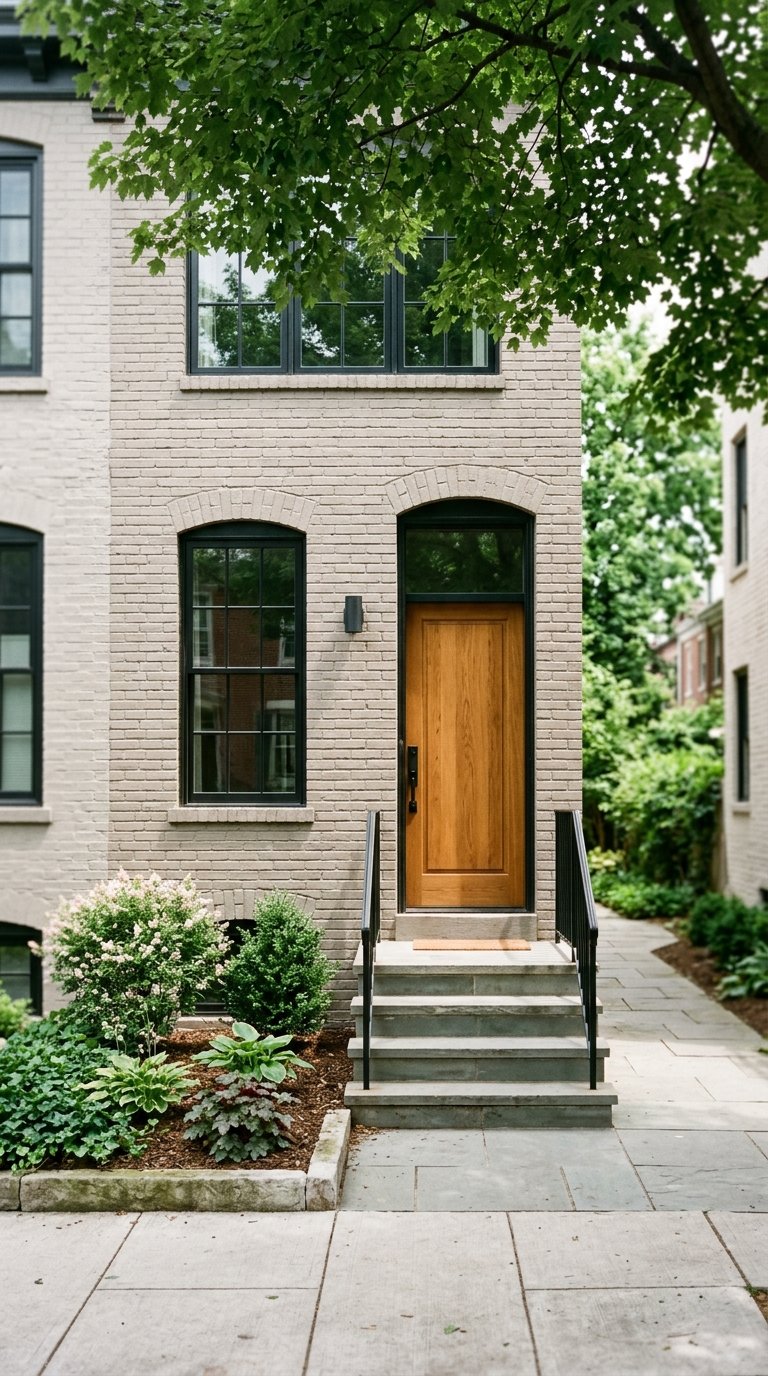
Thinking about trading suburban space for a DC address, but not sure which neighborhood actually fits your next chapter? That is a common move-up question, especially if you want more walkability or a shorter commute without giving up comfort, character, or long-term value. The good news is that DC offers several distinct paths, from classic rowhouse neighborhoods to condo-friendly urban hubs to greener upper Northwest enclaves. If you know how to compare them, the search gets much clearer. Let’s dive in.
How move-up buyers can frame the DC search
For many suburban buyers, the DC search tends to fall into three broad categories: historic rowhouse districts, walkable condo-heavy neighborhoods, and upper Northwest areas with more trees, larger lots, and some detached or semi-detached homes. According to the DC Office of Planning, that framework lines up well with places like Ward 2, Ward 3, and Ward 6.
That matters because your move is usually not just about price. It is also about how you want to live day to day. Some buyers want a lock-and-leave condo near Metro, while others want a rowhouse with architectural detail, or a greener setting that still keeps them inside the city.
A smart way to compare options is to look at three filters first:
- Commute tolerance
- Maintenance tolerance
- Architectural preference
Those three factors can narrow your search faster than neighborhood names alone.
Georgetown, West End, and Dupont Circle
This cluster appeals to buyers who want central location, established architecture, and a strong sense of place. But the living experience can vary a lot from one neighborhood to the next.
Georgetown offers history and prestige
Georgetown is the oldest and most preservation-controlled option in this group. The DC Office of Planning notes that the Georgetown Historic District was the first historic district in Washington, and most exterior work goes through a special review process.
For move-up buyers, that can be part charm and part constraint. If you love historic homes, timeless streetscapes, and a strong neighborhood identity, Georgetown can be compelling. If you expect to make major exterior changes, review and timing should be part of your planning from the start.
Georgetown also stands apart on transportation. DC and WMATA materials consistently note that it does not have a nearby Metro station, so buses matter much more here than in other close-in neighborhoods.
The tradeoff is lifestyle. Georgetown Waterfront Park and the C&O Canal give you open-space amenities that many suburban buyers value, even if the transit setup is less direct.
As of spring 2026, Zillow put typical home value in Georgetown at about $1.51 million. That makes it one of the highest-priced options in this guide.
West End blends convenience and housing variety
West End sits between Georgetown and Downtown and offers a mix of historic townhouses, apartments, and commercial buildings. For buyers who want a central location and a more flexible housing mix, it can feel like a practical middle ground.
Transit is a major strength here. Foggy Bottom-GWU serves the Orange, Silver, and Blue lines, and the area is also walkable or bikeable to Georgetown and M Street.
West End may appeal if you want urban convenience without the same preservation constraints or pricing profile as Georgetown. Zillow’s spring 2026 typical home value estimate was about $648,800, though that figure should be viewed directionally because neighborhood values blend housing types.
Dupont Circle favors walkability and condo options
Dupont Circle combines historic architecture with strong transit access. The neighborhood includes mansions on broader avenues and brick rowhouses along the grid streets, and the Red Line station adds daily convenience.
For move-up buyers coming from the suburbs, Dupont can make sense if you want to reduce car dependence and stay close to shops, restaurants, and offices. It is also a useful reminder that lower neighborhood value estimates do not always mean lower demand.
As of spring 2026, Zillow placed Dupont Circle’s typical home value at about $448,500. In this case, the lower figure likely reflects a heavier condo mix rather than a weaker location.
Logan Circle, Shaw, and U Street
If you want a more urban rowhouse-and-condo environment, this cluster deserves a close look. It offers strong transit, historic housing stock, and a lively in-town feel.
Logan Circle balances character and centrality
Logan Circle is known for historic rowhouses with brick and stone trim. It often appeals to buyers who want architectural detail and a neighborhood feel while staying close to major job centers and entertainment districts.
The area remains a premium market, but values were a bit softer in early 2026. Zillow reported a typical home value of about $574,400, down 1.5% year over year.
That kind of data matters for move-up buyers because it shows why hyper-local property comparisons are so important. A condo, a renovated rowhouse, and a property on a different block can perform very differently even within the same neighborhood label.
Shaw offers transit and housing variety
Shaw developed less uniformly than some other historic DC neighborhoods. Its housing includes individual dwellings, later infill rows, alley housing, and simple flat-fronted brick or frame rowhouses.
That variety can be appealing if you want options. Shaw-Howard U station on the Green and Yellow lines gives the area a strong transit advantage, and the streetscape can still feel neighborhood-scaled despite the central location.
Zillow’s early 2026 typical home value for Shaw was about $762,000, down 1.7% from a year earlier. A Redfin market page for the broader Logan Circle-Shaw area showed a March 2026 median sale price of about $1.0 million and a median of 82 days on market, which highlights how much pricing can shift by property type and block.
Capitol Hill for classic DC rowhouses
Capitol Hill is one of the clearest choices for buyers who picture classic Washington rowhouse living. The DC Office of Planning describes cohesive collections of 19th-century row houses, tree-lined grid streets, and a broad range of Victorian-era styles.
If you are leaving the suburbs but still want a home with presence, scale, and historical detail, Capitol Hill often checks that box. The neighborhood also has a day-to-day rhythm that many buyers find appealing, with proximity to Eastern Market and rail service at Eastern Market station.
Market pace here has also been notably strong. Zillow reported a typical home value of about $922,700 in spring 2026, down only 0.4% over the prior year, with homes going to pending in about 9 days.
That speed suggests buyers should be prepared when the right property comes up. It is one of the faster-moving options in this group.
Upper Northwest for more green space
For suburban move-up buyers who want to stay in DC without giving up a more residential feel, upper Northwest often stands out. This is where neighborhoods can start to feel more village-like, with commercial corridors, apartment buildings, townhouses, and then more single-family or semi-detached homes.
Ward 3 describes this part of the city as a largely residential area that grew around streetcar lines and includes the city’s most extensive tree canopy. For many buyers, that is the closest in-city match to the suburban lifestyle they are used to.
Woodley Park combines access and greenery
Woodley Park includes a mix of former estates, semi-detached houses, apartment buildings, and rowhouses. It can be a strong fit if you want city access but also value a leafy setting and more visual breathing room.
Transit is straightforward here, with Red Line access at Woodley Park. For buyers balancing office trips with occasional driving, this corridor can offer flexibility.
As of spring 2026, Zillow placed Woodley Park’s typical home value at about $845,700. That keeps it firmly in move-up territory while generally below the top of Georgetown pricing.
Cleveland Park offers a residential feel
Cleveland Park’s historic district includes large former estates, late-Victorian suburban homes, early-20th-century single-family houses, duplexes, and garden apartments. That range can make it especially appealing if you want more house and a softer transition from suburban living.
The neighborhood also benefits from Red Line access in the broader corridor and a well-established residential identity. Zillow’s spring 2026 typical home value estimate was about $675,500.
For many move-up buyers, Cleveland Park is where the city begins to feel less compressed. You may still be in DC, but the built form and tree cover can feel more familiar.
North Cleveland Park and Forest Hills skew higher-end
North Cleveland Park and Forest Hills developed later and include semidetached homes in styles like Mediterranean, Colonial Revival, and Tudor Revival. If your priority is a larger home in a greener setting, these neighborhoods may belong on your list.
They also benefit from the same upper Northwest transit logic, with Red Line stations like Van Ness-UDC and Tenleytown-AU serving the corridor. As of spring 2026, Zillow put North Cleveland Park’s typical home value at about $1.45 million.
That places it near the luxury end of the move-up conversation. For the right buyer, though, it can offer a compelling blend of house size, mature setting, and city location.
Commute and lifestyle tradeoffs
The biggest choice for many suburban buyers is not simply east versus west or rowhouse versus condo. It is whether you want your next home to optimize for transit, greenery, walkability, or architectural character.
Upper Northwest tends to reward buyers who want rail access and a more residential setting. WMATA’s Red Line stations in this corridor support relatively direct downtown trips, while Rock Creek Parkway creates a recognizable driving pattern with southbound morning traffic and northbound afternoon traffic.
Georgetown offers a different proposition. You get iconic streets, a strong waterfront setting, and notable walkability, but no nearby Metro station. If transit backup matters, that is an important distinction.
Capitol Hill, Dupont, Logan Circle, and Shaw often make more sense for buyers who want stronger train access and a more immediate urban rhythm. The tradeoff is that your housing type, outdoor space, and maintenance expectations may look very different from suburban norms.
Why housing type matters as much as neighborhood
At the citywide level, Zillow estimated Washington, DC’s typical home value at about $580,400 in spring 2026, down 3.0% year over year, with homes going to pending in about 26 days. Many of the neighborhoods in this guide sit above that level, but not for the same reasons.
In practice, price bands often track more closely to housing type than neighborhood name alone. A rowhouse on Capitol Hill, a condo in Dupont Circle, and a detached or semi-detached home in Cleveland Park or Woodley Park may all compete for the same move-up buyer, even though the lifestyle is very different.
That is why local property comparisons matter so much. It is also why buyers often benefit from looking beyond headline neighborhood reputation and focusing on what a specific property gives you in layout, condition, future maintenance, and design potential.
Historic district rules to keep in mind
Many of these neighborhoods are historic districts, and that can affect renovation plans. The DC Historic Preservation Office states that historic landmarks and districts are protected under District law, and Georgetown has its own special review structure involving the Commission of Fine Arts and the Old Georgetown Board.
If you are considering additions, facade changes, or a major exterior renovation, those rules are not a minor detail. They can shape budget, timeline, and even whether a project is realistic.
For design-minded buyers, this is where careful planning matters. A beautiful historic home may still offer strong potential, but the path to change can be more structured than in the suburbs.
How to narrow your shortlist
If you are moving in from Maryland or Northern Virginia, start by matching each neighborhood to the way you actually live. It helps to rank what matters most before you fall in love with a facade.
A simple framework is:
- Commute tolerance: How often will you use Metro, drive, or walk?
- Maintenance tolerance: Do you want a condo lifestyle or a home that may need more upkeep?
- Architectural preference: Are you drawn to historic rowhouses, classic apartment buildings, or greener detached-home settings?
That process usually brings the best-fit neighborhoods into focus quickly. It also helps you compare homes more clearly across very different parts of DC.
A thoughtful move-up strategy is not about picking the “best” neighborhood in general. It is about identifying the one that best supports your routine, your design preferences, and your next stage of life.
If you are weighing DC options from the suburbs and want a clear, tailored plan, Mandana Tavakoli can help you compare neighborhoods, property types, and tradeoffs with calm, informed guidance.
FAQs
What DC neighborhoods are best for move-up buyers coming from the suburbs?
- The best fit depends on your priorities, but common options include Georgetown, West End, Dupont Circle, Logan Circle, Shaw, Capitol Hill, Woodley Park, Cleveland Park, North Cleveland Park, and Forest Hills.
Which DC neighborhoods feel most like the suburbs?
- Upper Northwest neighborhoods such as Woodley Park, Cleveland Park, North Cleveland Park, and Forest Hills often feel the most suburban because they offer more trees, a more residential setting, and some larger homes.
What should move-up buyers know about Georgetown before buying?
- Georgetown offers historic character and strong open-space amenities, but it does not have a nearby Metro station and many exterior changes are subject to a special preservation review process.
Is Capitol Hill a good choice for buyers who want a rowhouse in DC?
- Capitol Hill is one of DC’s most established rowhouse markets, with 19th-century housing stock, proximity to Eastern Market, and relatively fast market tempo compared with other neighborhoods in this guide.
Why do home prices vary so much across DC neighborhoods?
- Neighborhood price differences often reflect housing type as much as location, so a condo, rowhouse, and detached home can sit in very different value ranges even within the same broad move-up search.
Do DC historic districts affect renovation plans for buyers?
- Yes. In many DC historic districts, exterior changes may be subject to preservation review, which can affect project scope, timing, and budget.